Velza Academy VELZA ACADEMY CCDV-F
Cohort
Enroll

✦ Velza Academy · Claude Certified Developer – Foundations (CCDV-F)

Prepare for Claude Certified Developer - Foundations (CCDV-F)

Build and ship Claude applications, agents, and tools the way the updated exam guide (version 1.1) describes: Messages API integration, Agent SDK agents and hooks, MCP servers, evaluations, and layered guardrails. Follow a three-week preparation plan grounded in the certification’s published scope.

3 live classes1-year replay access
CCDV-F official certification badge
Choose your cohort
Next cohort starts in $297 $97Save more than 65%Code CYBERWEEK applied automaticallyCyber Week sale: $97 through Monday, November 30, 11:59 PM CT. Enroll Now
✦ Your instructor

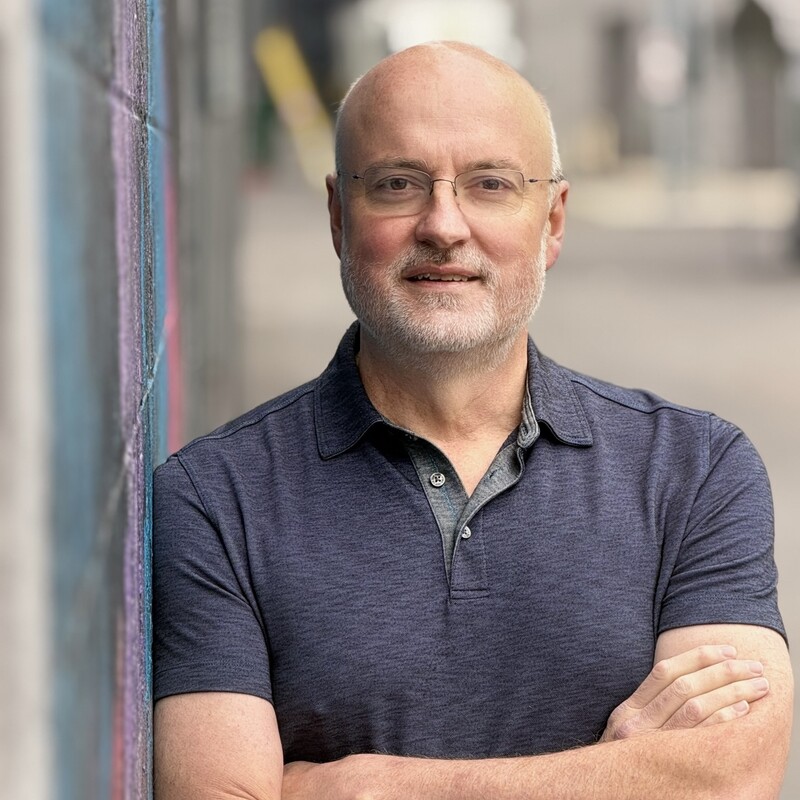
Mike Wheeler, founder of Velza Training and Consulting

Learn from Mike Wheeler

Mike Wheeler is an AI and Salesforce trainer and O’Reilly author. He has taught well over 500,000 global learners on major platforms such as edX, LinkedIn Learning, Pearson, and Udemy, and he built the first generative AI course on edX. He teaches for non-coders, working backward from your career goals.

500,000+ global learners taught O’Reilly author As Seen on edX, Pearson, LinkedIn Learning & Udemy

Who this is for

Software developers who want to build applications, integrations, and agents with Claude while preparing for the Developer Foundations certification.

The official guide describes a candidate with one to five years of software engineering experience and at least six months of hands-on work with Claude. Expect technical examples. Familiarity with Python or TypeScript, REST APIs, JSON, and command-line tools will help you follow the course. This is certification preparation for developers, rather than an introduction to using an AI chat app.

✦ The curriculum & schedule

Your live sessions

Three live teaching sessions over three weeks. Can’t attend live? Every session is recorded.

Three live teaching sessions over three weeks. Can’t attend live? Every session is recorded.

Session1
Friday, December 4
12-1 PM Eastern / 9-10 AM Pacific

Integrate Claude and Choose the Right Model

Start from an application requirement and build the request path: message structure, streaming, tool use, and structured output, then the model, thinking, caching, and batch choices that fit the task.

  • Read and write Messages API requests, including streaming events and stop reasons
  • Write retry and fallback logic that matches each API error type
  • Choose a model tier and thinking options against quality, latency, and cost requirements
  • Place prompt-cache breakpoints and decide between realtime and batch processing
  • Configure CLAUDE.md, settings.json, permission modes, and model version pinning for a project
Session2
Friday, December 11
12-1 PM Eastern / 9-10 AM Pacific

Build Agents, Tools, and MCP Servers

Decide when a task needs an agent, then build the agent, its tools, and the extensions a team reuses.

  • Choose between a workflow and an agent, and plan orchestrator and subagent roles
  • Build an Agent SDK agent with hooks that run required actions every time
  • Write tool schemas and descriptions that drive correct calls and return structured errors
  • Build and connect an MCP server, and choose among built-in tools, custom tools, Skills, and MCP
  • Extend Claude Code with Skills, plugins, hooks, subagents, and slash commands
Session3
Friday, December 18
12-1 PM Eastern / 9-10 AM Pacific

Evaluate, Debug, and Secure the Application

Measure quality, diagnose failures from traces, keep context and output under control, and defend the application against injected instructions.

  • Build an evaluation with a golden set and an LLM judge checked against human labels
  • Diagnose failure modes from traces and separate integration defects from model output
  • Revise a failing prompt, manage long-session context, and ground answers in supplied documents
  • Validate structured output and parse defensively
  • Layer prompt-injection defenses, least privilege, and server-side API key handling
  • Work original exam-style scenarios and document study gaps
Session1
Wednesday, January 6
12-1 PM Eastern / 9-10 AM Pacific

Integrate Claude and Choose the Right Model

Start from an application requirement and build the request path: message structure, streaming, tool use, and structured output, then the model, thinking, caching, and batch choices that fit the task.

  • Read and write Messages API requests, including streaming events and stop reasons
  • Write retry and fallback logic that matches each API error type
  • Choose a model tier and thinking options against quality, latency, and cost requirements
  • Place prompt-cache breakpoints and decide between realtime and batch processing
  • Configure CLAUDE.md, settings.json, permission modes, and model version pinning for a project
Session2
Wednesday, January 13
12-1 PM Eastern / 9-10 AM Pacific

Build Agents, Tools, and MCP Servers

Decide when a task needs an agent, then build the agent, its tools, and the extensions a team reuses.

  • Choose between a workflow and an agent, and plan orchestrator and subagent roles
  • Build an Agent SDK agent with hooks that run required actions every time
  • Write tool schemas and descriptions that drive correct calls and return structured errors
  • Build and connect an MCP server, and choose among built-in tools, custom tools, Skills, and MCP
  • Extend Claude Code with Skills, plugins, hooks, subagents, and slash commands
Session3
Wednesday, January 20
12-1 PM Eastern / 9-10 AM Pacific

Evaluate, Debug, and Secure the Application

Measure quality, diagnose failures from traces, keep context and output under control, and defend the application against injected instructions.

  • Build an evaluation with a golden set and an LLM judge checked against human labels
  • Diagnose failure modes from traces and separate integration defects from model output
  • Revise a failing prompt, manage long-session context, and ground answers in supplied documents
  • Validate structured output and parse defensively
  • Layer prompt-injection defenses, least privilege, and server-side API key handling
  • Work original exam-style scenarios and document study gaps

✦ What you’ll walk away with

By the end, you’ll be able to

Learn through guided practice and discussion.

Three weekly live teaching sessions with worked technical examples, guided practice, discussion, and original exam-style scenarios. Bring practical development experience and use the exercises to identify gaps in your preparation. This course supplements hands-on experience; completing the course does not guarantee certification.

✦ Exam coverage

What the CCDV-F exam covers

Use the weekly practice to guide your preparation.

Agents and Workflows17%
Applications and Integration20%
Claude Code8%
Eval, Testing, and Debugging10%
Model Selection and Optimization12%
Prompt and Context Engineering15%
Security and Safety8%
Tools and MCP10%

Not sure where you stand? Grade yourself domain by domain with the free readiness scorecard. It opens in a new tab, and you can re-score as you study.

✦ What’s included

Everything that’s included

3 live teaching sessions

Live over three weeks, Fridays at 12-1 PM Eastern / 9-10 AM Pacific.

3 live teaching sessions

Live over three weeks, Wednesdays at 12-1 PM Eastern / 9-10 AM Pacific.

1-year replay access

Every session is recorded, and you keep access to the replays for a full year, so you can rewatch any time before your exam.

Weekly hands-on projects

In week one you build a worked Messages API integration with streaming and error handling, plus a model, caching, and batch plan for its workload. In week two you build an agent with hooks, tool definitions, and an MCP server example you can inspect and adapt. In week three you build a golden-set evaluation, a guardrail checklist, original scenario practice, and a personal study plan mapped to the published domains.

Certificate of completion

Finish the cohort and you get a personalized certificate showing your name, your track, the live session dates, and the hours of live instruction, with a public verification link your employer can check for reimbursement. Print it, save it as a PDF, or share it on LinkedIn.

Reserve your seat in the next cohort.

$297 $97Save more than 65%Code CYBERWEEK is applied automatically. Nothing to type.Cyber Week sale: $97 through Monday, November 30, 11:59 PM CT.

See cohorts
Cohort:

✦ Questions, answered

Frequently asked

Do I need to know how to code?

Yes. The course is intended for software developers and uses technical examples. Familiarity with Python or TypeScript, APIs, and development tools is recommended.

Can anyone register for the certification exam?

You can join this training regardless of employer. Anthropic currently restricts exam registration to employees of Claude Partner Network organizations using a recognized company email address. Check Anthropic’s current eligibility rules before planning to take the exam. Course participation does not grant exam access.

Where can I check the official exam information?

Anthropic’s Developer Foundations certification page provides the official program information and exam guide. The weekly sequence here is Velza’s independent teaching plan.

Which version of the exam guide does this course follow?

The exam coverage table and weekly plan follow the updated Developer Foundations exam guide, version 1.1, which reorganizes the objectives and sets new domain weights. Check Anthropic’s certification page for the version that applies on your exam date.

What if I can’t make a session live?

Every session is recorded and shared, and you keep access to the replays for a full year, so you can watch or rewatch any of them on your own schedule.Every session is recorded and shared, and you keep access to the replays for a full year, so you can watch or rewatch any of them on your own schedule.

Why a live cohort instead of studying on my own?

Self-study stalls. A live cohort gives you a fixed three-week pace, the chance to ask questions in real time, and weekly hands-on work. You actually finish.Self-study stalls. A live cohort gives you a fixed three-week pace, the chance to ask questions in real time, and weekly hands-on work. You actually finish.

Do I get a certificate of completion?

Yes. When your cohort ends, you receive a personalized certificate of completion by email. It shows your name, the track, the live session dates, and the hours of live instruction, and it carries a certificate number with a public verification address your employer can confirm it against, which is what most reimbursement forms need. It is a certificate of completion for the live course, not the certification itself. That one comes from the certifying body when you pass their exam.

What is your refund policy?

You can request a full refund until 24 hours after the first live session starts. Details are in our Terms.